
There isn’t really a short answer to that. There are a number of possible factors that contribute to jaw pain. Muscle tension, clenching/grinding teeth, trauma or disc joint wear/damage. These physical, mental and or social factors produce the end result – pain and aches around your jaw. The good news is that self care techniques have been proven to help reduce jaw pain.
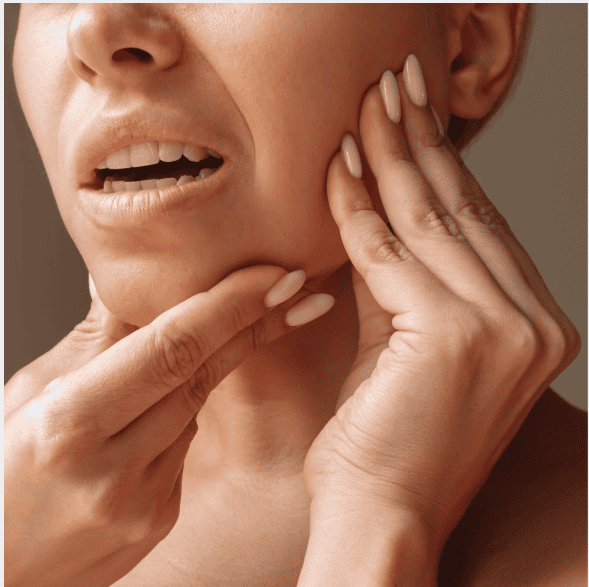
Oral health isn’t just about teeth. There is so much more to having a healthy smile. Gums are the foundations of for your teeth. Your jaws are the foundations for your gums. Problems can occur around your mouth as well as in your mouth, which may not only affect your smile but also your overall health and wellbeing. Think what we use our mouths for. Eating? Speaking? Smiling? – Our jaws get a lot of work! So its no surprise that jaw pain can have a significant impact on our overall health and wellbeing.
Is your smile talking back?
Is your jaw clicking when you eat? Do you wake up with a sore face, muscle pain or headache? Feel pain around your jaw, ears, or temples and wondered what is causing it? It may be TMD which relates to the TMJ. Temporomandibular disorders (TMD) are common problems affecting the temporomandibular joint (TMJ). TMD affects around1 in 15 of the UK population, most commonly presenting amongst 20-40 year olds.
You’re not alone.
If this sounds familiar it may be related to the only moveable joint in your skull, the TMJ. The TMJ along with the surrounding muscles help open and close your mouth. Jaw pain can have a significant impact on everyday life e.g. eating, speaking, laughing, yawning and getting a good nights sleep.
What are we talking about?
TMD – temporomandibular disorder
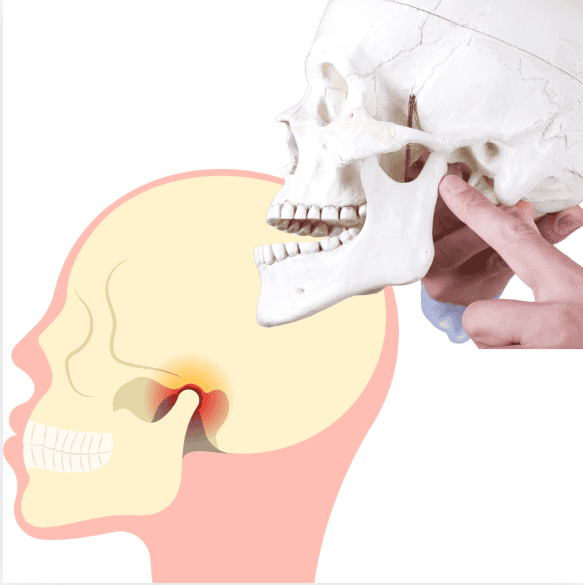
It’s good to know where/what we are talking about! You can feel the TemporoMandibular Joint (TMJ) if you put your fingers just in front of your ear then open and close your mouth. That ‘hinge’ is the area of your TMJ. Problems affecting this joint and the surrounding muscles are referred to as Temporomandibular Disorders (TMD).
Treated early, management techniques will improve the majority of TMD’s (approximately 75-90%) but some – most often muscular ones, can become chronic – lasting more than 3 months.
How do I know if it’s TMD?
TMD’s present in different ways, including:
- Jaw or facial pain
- Clicking, popping or grating noises from the jaw
- Difficulty opening your mouth wide
- Your jaw feels stuck or locked
- Headaches – people with migraine are up to 4 x more likely to have TMD.
- Ear discomfort or a feeling of fullness in your ear (tinnitus)
- Neck and shoulder tension
- Pain when chewing or talking
Why does jaw pain happen?
There isn’t always one simple cause. Jaw pain can develop because of:
- Clenching or grinding your teeth (often when you sleep)
- Stress and anxiety
- Muscle tension
- Jaw injury
- Arthritis affecting the TMJ
- Repetitive habits, e.g. chewing gum or biting nails
STRESS? We rarely give stress the credit it deserves for the impact it can have on our health and wellbeing. It can be a major contributing factor to jaw pain. When we are stressed, unconscious clenching and tension puts strain on the muscles and joints.
What to do?
Self-care/self management is the first step and the foundation on which all other treatment is based.
First steps –
- try heat or cold regularly over the area for 10-15 minutes at a time. Wrap the hot/cold in a tea towel or for cold try a cool jaw pack. This prevents skin irritation. Warm compresses can help relax muscles. Cold packs can reduce inflammation.
- try massaging the muscles around the joint.
- cut food into smaller pieces which makes it easier to chew. Opt for softer foods during flare-ups.
- try to avoid clenching or grinding your teeth/jaw (easier said than done!). Check your jaw position regularly during the day and focus on having your Lips together, teeth apart. You may not realise you are clenching when you sleep. If you clench or grind in your sleep, speak to your dental team – a mouth-guard may be help. Have a look at our good friends at SnoringSolutionsNI for more about sleep hygiene.
- avoid chewing gum, pen lids, or other non-food items e.g. finger nails.
- speak to your pharmacist for pain relief advise
- be aware of your posture as poor posture may contribute to your pain. Try to keep your head up and shoulders back. Check your posture at your desk and sitting.
- avoid sleeping face down
JawSpace® is an award-winning digital platform which combines self-management with science. It is designed and developed in collaboration with experts at Newcastle University. It combines research and digital health to create evidence-based tools for smarter TMD self-management.
The Royal College of Surgeons recommend exercises you can find here with a link to their recommend YouTube playlist here.
The British Society of Oral and Maxillofacial Surgeons (BOAMS) advice on jaw pain can be found here.
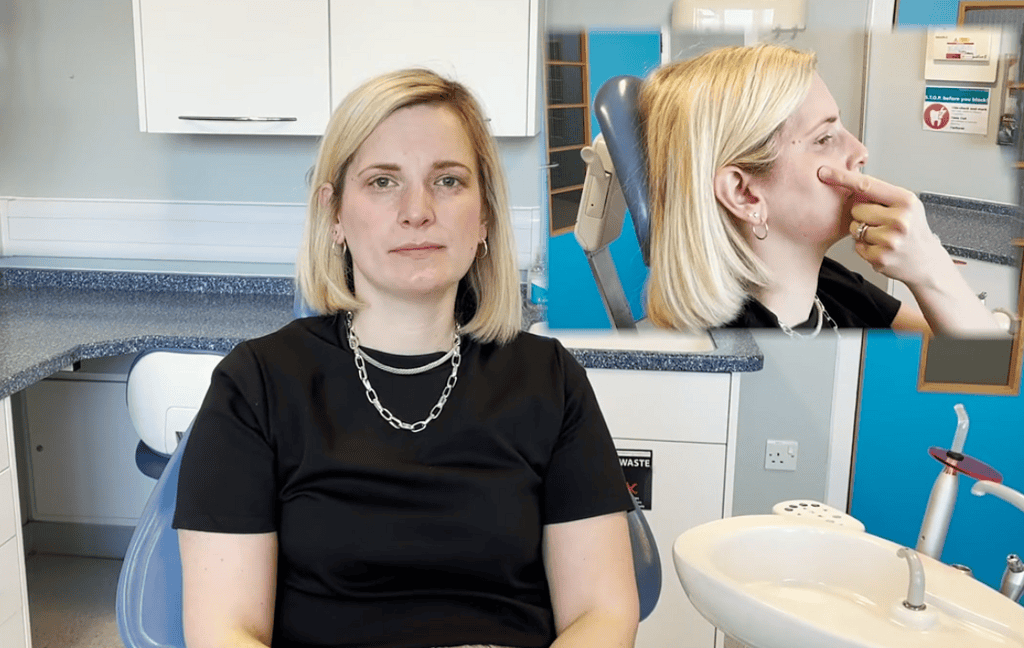
Exercises for TMD pain –
Evidence-based jaw exercises can improve movement, reduce stiffness, and support recovery when performed correctly. We recommend the exercises at Jawspace.com Knowing about them isn’t the same as doing them. Make time to complete jaw exercises daily.
Manage Stress
Relaxation techniques, breathing exercises, physical activity, and good sleep habits can all help reduce jaw muscle tension. Check out Living Life to the Full for more on managing stress and anxiety.
When to contact a professional
Occasional jaw ache is quite common, but if you have been consistent with self care for 6-8 weeks with no improvement and/or –
- you struggle to open your mouth normally
- your jaw locks
- your symptoms are affecting eating, sleeping, or everyday activities
- you are unsure whether the pain is coming from your teeth, gums, or jaw
It’s time to seek professional assessment and support. A dental professional can assess your oral health, jaw pain and muscles, and advise the most appropriate next steps.
Supporting Whole-Mouth Health
At Growing Smiles, we believe oral health is about much more than teeth. The muscles, joints, habits, and behaviours that support a healthy mouth matter too.
Understanding jaw pain is the first step towards managing it. Whether you’re noticing a click when you chew, waking with a sore jaw, or supporting a teenager who grinds their teeth during exams, awareness and early action can make a real difference.
If you’re concerned about jaw pain, speak with your dental team. The sooner you understand what’s happening, the sooner you can take positive steps towards feeling more comfortable and smiling with confidence.