It is well known that smoking can lead to many different health issues and diseases that may prove fatal.
Smoking isn’t good for your oral, overall health and wellbeing….. but quitting isn’t easy.
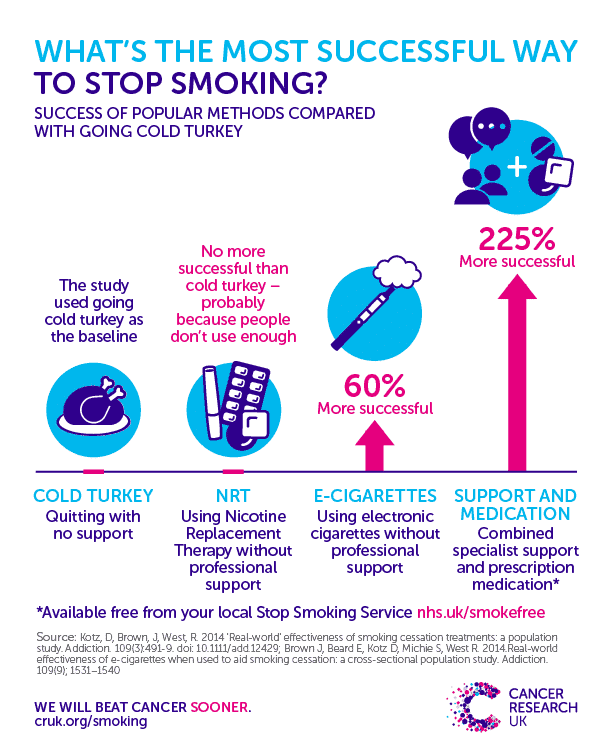
Recently (August 2026) an updated Cochrane review reported
smokers who want to quit have the best chance of doing so if they use nicotine e-cigarettes (vapes) over methods such as nicotine gums and patches and quitting with behavioural support or no support at all.
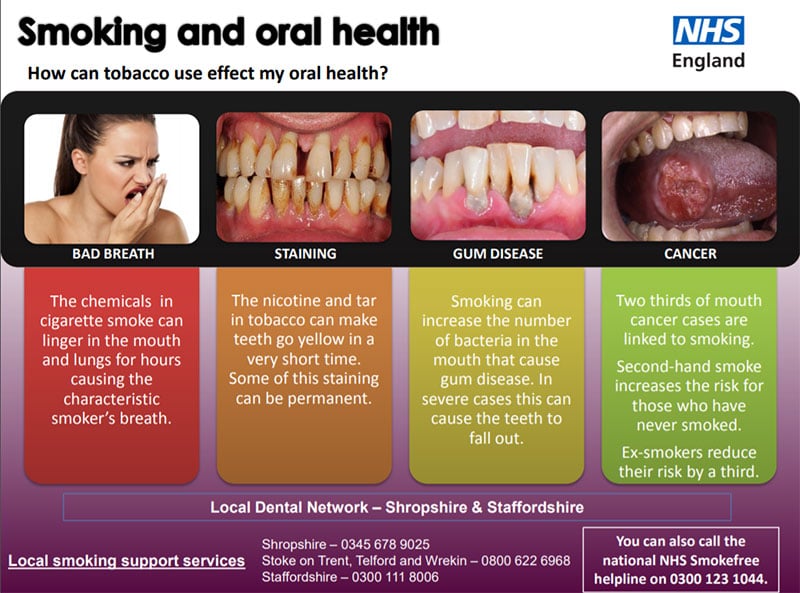
Most people are aware of the effect that smoking can have on their body and general health, but many are unaware of the effects that smoking has on their mouths. These include:
- increased risk of oral cancer
- gum disease
- stained teeth
- bad breath (halitosis/oral malodour)
- tooth loss
- loss of taste and smell
- reduced blood supply to the mouth
- increased build-up of plaque biofilm and tartar on your teeth
- delayed healing following tooth extraction and other surgery in the mouth
Current evidence indicates tobacco and alcohol together significantly increase the risk of mouth and throat cancers compared with either alcohol or tobacco use alone.
Smoking is still the leading cause of preventable death and disease. Other forms of tobacco or ‘smokeless tobacco’ also impact on leading a healthy disease-free life. Tobacco use, both smoking and chewing tobacco, seriously affects general and oral health. At least 50 different diseases are caused by tobacco use including various types of cancers, ischaemic heart disease (when blood supply to the body tissues are restricted), strokes and chronic lung disease. The most significant effects of tobacco use on the mouth are oral cancers and pre-cancers, increased severity and extent of periodontal (gum) diseases, tooth loss and poor wound-healing post operatively.
Smokers are seven to ten times more likely to suffer from oral cancer than people who have never smoked, with long-term, regular users of smokeless tobacco being more than 11 times more at risk than a non-user. Find out more about mouth cancer here.
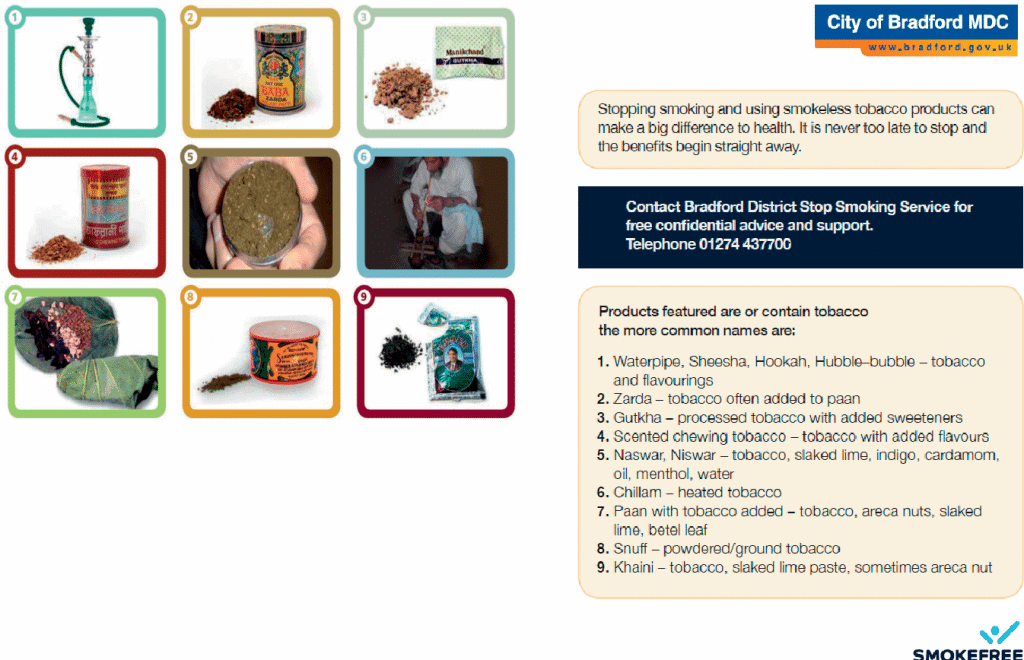
As we can see, the impact of tobacco use on health is alarming, and so, the benefits of stopping are substantial, particularly for people under 35 years of age, who, if they quit successfully will have a normal life expectancy.
Many of the negative effects of tobacco use on the mouth are reversible. Whether smoked or chewed, nicotine from tobacco is highly addictive, which makes stopping a major challenge for most users. The majority of cigarette smokers report that they would like to stop, having made many attempts to quit. Some people can stop without any support, however, most people benefit from using smoking cessation medications and the support of their local stop smoking service. Find out more about quitting here and how to find your local stop smoking service here.
Smoking (and smokeless tobacco products) is a major risk factor for developing gum disease (periodontitis) and also impacts the response to treatment for gum disease. This means that people with gum disease who continue smoking are more likely to lose teeth than non-smokers. Always tell your dental team if you smoke, have ever smoked or use tobacco products or nicotine replacement products.
E-Cigarettes/Vaping
E-cigarette is a term that was commonly used when the first devices became available. They looked like tobacco cigarettes, but have since evolved with the shape and technology now varying greatly. These developments mean that the term e-cigarettes do not clearly reflect the products available in the UK and across the world. Vapes, vaporisers, vape pens, hookah pens, electronic cigarettes (e-cigarettes or e-cigs), and e-pipes are some of the many terms used to describe electronic nicotine delivery systems (ENDS). ENDS are non-combustible tobacco products. Common terminology is being developed in the UK and internationally, but for now we will use the term e-cigarette here.
You may have heard this term and wonder what it is.
- Constant dry mouth
- Oral irritation
- Burning sensation
Some people who vape experience a dry mouth (xerostomia). Saliva helps protect teeth and gums, so a persistent dry mouth may increase the risk of plaque build up, tooth decay, bad breath and gum problems.
These products use an “e-liquid” that may contain nicotine, as well as flavourings, propylene glycol, vegetable glycerine, and other ingredients. The liquid is heated to create an aerosol that the user inhales. They do not produce tar or carbon monoxide, two of the most harmful by products in tobacco smoke.
How does this relate to oral health? There are concerns that vaping creates an environment which promotes harmful bacteria in the mouth, and that vaping can lead to tooth decay, bone loss and inflamed gums. So while the use of e-cigarettes is accepted as an effective tool to help smokers quit, they carry a small fraction of the risk of cigarettes, however, are not completely risk free. The use of them amongst young people is a concern with an ASH 2025 Factsheet 2025 stating 20% of 11-17 year olds in GB have tried vaping. Sir Chris Witty summed up E-cigarettes well in 2023 – If you smoke, vaping is much safer; if you don’t smoke, don’t vape; marketing vapes to children is utterly unacceptable.
A major UK clinical trial published in 2019 found that, when combined with expert face-to-face support, people who used e-cigarettes to quit smoking were twice as likely to succeed as people who used other nicotine replacement products, such as patches or gum.
The British Society of Periodontology have a very good summary of the current evidence on E-cigarettes and oral health by Dr Richard Holliday which was reviewed March 2025. You can find it here.
They should not, however, be used as a ‘safe’ alternative to tobacco use. Find out more about using e-cigarettes to stop smoking here.
Oral nicotine pouches (ONP’s)
What are Oral Nicotine pouches (ONP’s)? They are small nicotine pouches that are placed between the lip and gum on the gum tissue. Their use is rising rapidly among teenagers and young adults.
They are tobacco free with nicotine delivered through the soft tissue of the mouth. It is released slowly and absorbed into the bloodstream. As they are in direct contact with the soft tissue they can affect the soft gum tissue and oral mucosa. Gum recession has been reported where pouches are repeatedly placed.

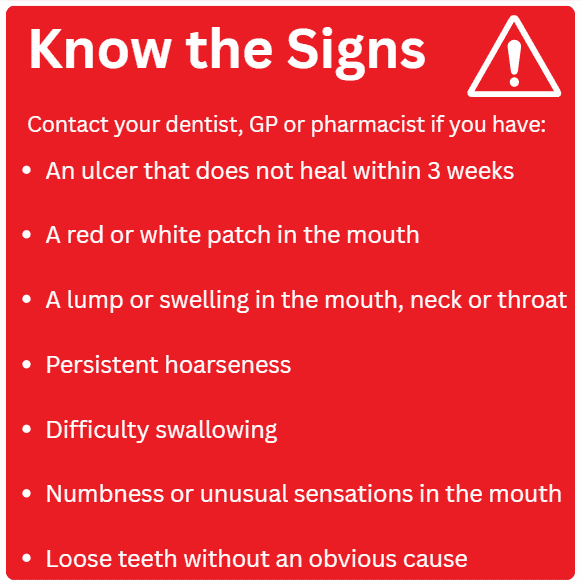
Extended contact can cause trauma and irritation to the mouths soft tissues with many developing local bone loss and gum recession in the area where the ONP has been placed . White lesions often develop in the area where the pouch is placed under the lip. Any non healing white patch on soft tissue should be assessed by a dental professional as it may be precancerous and develop into oral cancer if not treated. Some report dryness and irritation with use and a burning sensation where the pouch is located. There is a lot yet to learn about the oral impact of these pouches. If you use nicotine pouches always tell your dental team. White patches and tissue changes should always be checked by your dental team.
While ONP’s are often promoted as a ‘healthier’ alternative to smoking they are not without risk. Snus is common in Scandinavia and while illegal to sell in the UK they may be purchased via online sites. It is important to tell your dental care team if you are using ONP or Snus and have regular dental care which will include mouth cancer screening.
What is Passive Smoking?
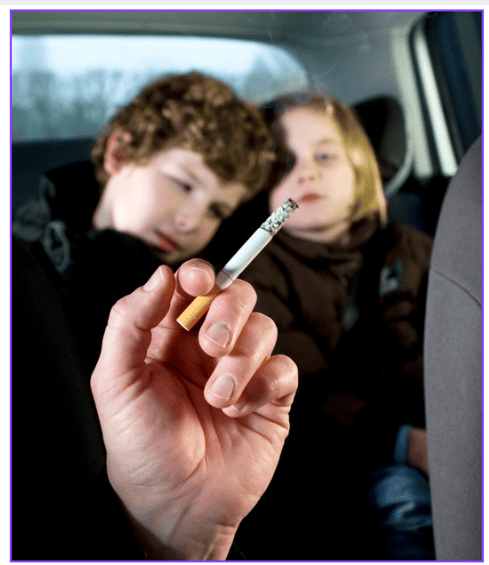
When you smoke a cigarette (or roll-up, pipe or cigar), most of the smoke doesn’t end up in your lungs. It goes into the surrounding air where anyone close by can breathe it in. This secondhand or passive smoke is what you exhale plus the smoke created by the cigarette/pipe etc. This has an impact on their health. Those who breath secondhand smoke regularly are more likely to develop smoking related diseases e.g. lung cancer. Pregnant women exposed to passive smoke are more prone to premature birth, and their baby is more at risk of low birthweight and sudden infant death syndrome (SIDS).
It’s not just you who will benefit from Quitting.
A smoke free environment is good for you and those around you. If you aren’t ready to quit try to reduce the risk to others by creating a smoke-free environment. E.g. smoke outside, don’t smoke in the car.
Smoke clings to your clothes so while you may smoke outdoors your smoke can still affects other. Think of picking up a small baby after smoking and what they are breathing. Learn more about how smoking can affect those around you.
Time to Quit Smoking?
It’s never too late to quit smoking. Smoking even a small amount can cause damage and evidence reflects that cutting down offers little in the way of health benefits. The aim is to quite completely. There’s no safe level of cigarette use but cutting down (or switching to vapes) can be a good way to start towards stopping long-term.
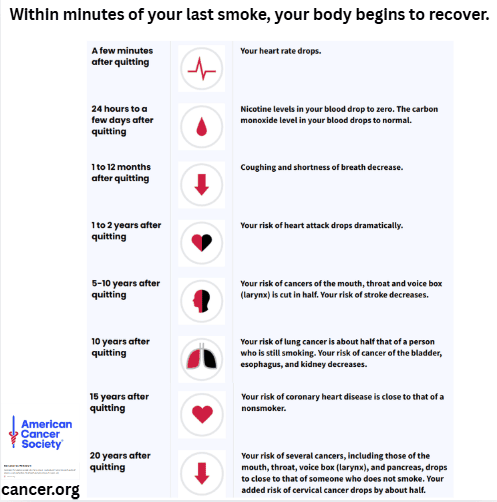
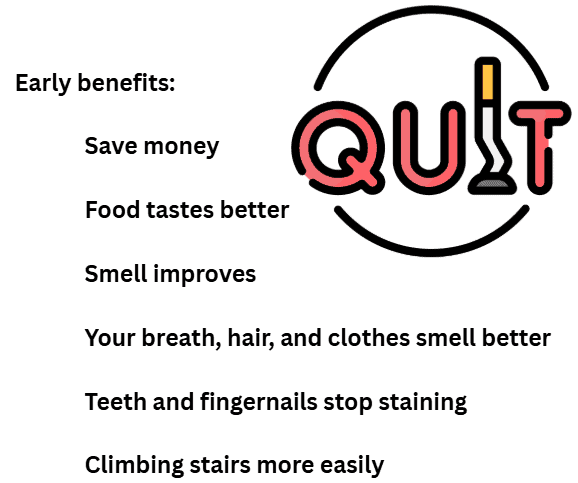
Whatever your age quitting can give back years of life that would be lost by continuing to smoke. Quitting while you’re younger can reduce health risks more e.g. quitting before 40 reduces the risk of dying from smoking-related disease by about 90%.
How do I quit smoking?
There are many routes to quitting. We know more people are successful with support.